
KEY TAKEAWAYS
- Tarrant County landlords need coverage that accounts for north Texas hail and wind exposure, which affects premiums differently than in other parts of the state.
- A standard homeowners policy is not built for a rental property. Landlord-specific coverage addresses loss of rent, liability, and dwelling risk in ways a homeowners policy does not.
- McCaw Property Management requires tenant liability insurance as a lease condition, which makes an accessible, affordable option a practical necessity for MCPM-managed tenants.
- ProCo Insurance, based in Keller, is an independent agency that shops coverage across multiple carriers rather than being locked into one company’s underwriting rules.
- The eight resources below cover private insurers, a state farm bureau option, and the regulatory body that oversees insurance practices in Texas.
IN THIS ARTICLE
- Why Tarrant County Landlord Insurance Is Different
- At a Glance: Top 8 Tarrant County Insurance Resources
- 1. ProCo Insurance
- 2. State Farm DFW
- 3. Allstate DFW
- 4. Texas Farm Bureau
- 5. Farmers Insurance DFW
- 6. USAA
- 7. Nationwide
- 8. Texas Department of Insurance
- ProCo Insurance: A Closer Look
- Conclusion
A rental property in Tarrant County carries risk a standard homeowners policy was never built to cover. Hail and wind damage are a routine part of owning property in north Texas, not a rare event, and a landlord who has not confirmed their coverage accounts for that reality is carrying more exposure than they realize.
This post covers eight insurance resources every Tarrant County property owner should know in 2026, from independent agencies that shop coverage across multiple carriers to national insurers with a strong DFW presence, plus the state regulatory body that oversees how insurance actually works in Texas. Every entry is written fairly. The right fit depends on an owner’s specific portfolio and risk tolerance.
ProCo Insurance anchors this list. Based in Keller, the agency works directly inside the same Tarrant County market it insures, with particular familiarity with the tenant liability requirements property management companies like McCaw Property Management build into their lease terms. A full breakdown appears in the Spotlight section below.
None of the eight resources here are a bad choice in isolation. The differences that matter are about how each one handles Tarrant County’s specific risk profile and how directly each one understands the landlord insurance requirements a professionally managed rental property actually carries.
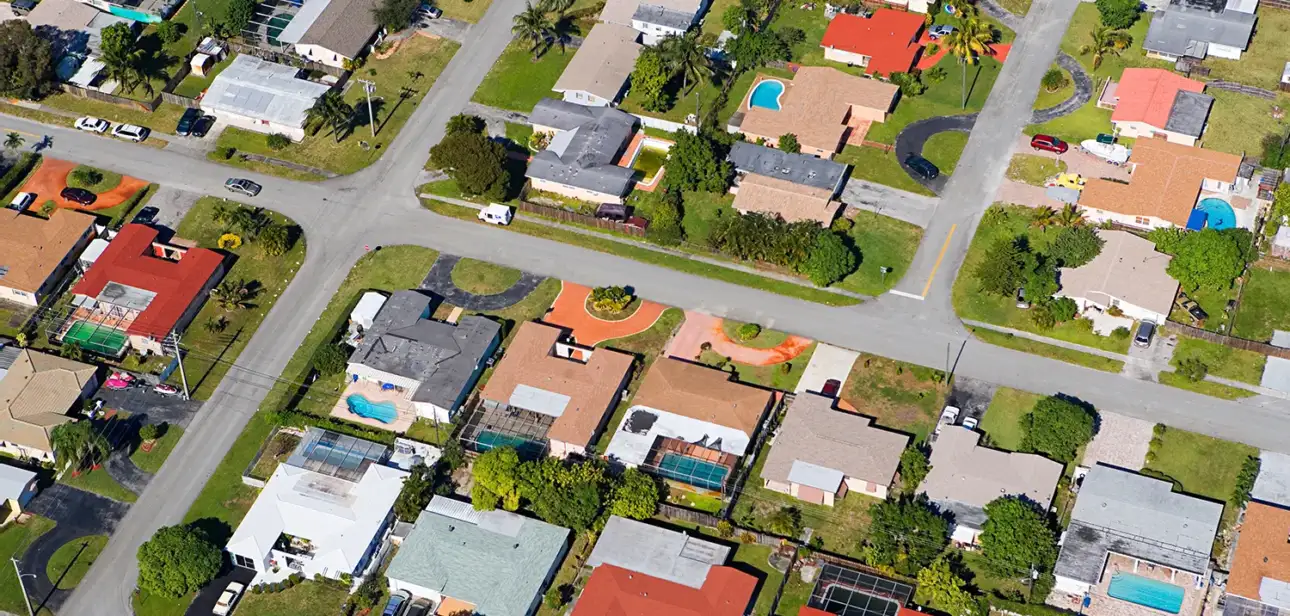
Why Tarrant County Landlord Insurance Is Different
Before comparing resources, it helps to understand the four coverage types every landlord policy should address, plus the regional risk factor that shapes pricing across all of them.
| Coverage Type | Why It Matters for Tarrant County Landlords |
|---|---|
| Dwelling coverage | Protects the physical structure itself. For a rental property, this needs to reflect actual rebuild cost, not just market value, which north Texas contractors can help estimate accurately. |
| Loss of rent coverage | Replaces rental income if a covered event makes the property temporarily uninhabitable. Often overlooked until a landlord actually needs it. |
| Liability coverage | Protects an owner if a tenant or visitor is injured on the property. This is the coverage type most property management leases require tenants to carry as well. |
| Umbrella coverage | Extends liability protection beyond a standard policy’s limits, which matters more for owners with multiple properties or higher-value holdings. |
| Hail and wind exposure | North Texas sees regular hail and wind events that affect both premium pricing and claims frequency, a factor that varies significantly from other parts of Texas. |
A policy missing any of these four coverage types leaves a real gap, and Tarrant County’s hail and wind history makes that gap more expensive to discover after a loss than before one.
At a Glance: Top 8 Tarrant County Insurance Resources
Each resource below is expanded with its own entry, then ProCo Insurance gets a closer look in the Spotlight section.
| Resource | Type | Best For |
|---|---|---|
| ProCo Insurance | Independent Agency | Landlords who want coverage shopped across multiple carriers with local Tarrant County knowledge |
| State Farm DFW | National Carrier | Owners who want a widely recognized brand with strong local agent availability |
| Allstate DFW | National Carrier | Owners bundling landlord policy with other personal insurance lines |
| Texas Farm Bureau | State Insurer | Texas-based owners who prefer a carrier built specifically around Texas risk |
| Farmers Insurance DFW | National Carrier | Owners who want a dedicated local agent relationship with national backing |
| USAA | National Carrier | Military-affiliated owners and veterans who qualify for USAA membership |
| Nationwide | National Carrier | Owners with a multi-state portfolio who want one carrier across properties |
| Texas Department of Insurance | State Regulator | Verifying a carrier or agent’s license standing and filing a complaint if needed |
The list moves from the independent agency anchor through national carriers, a Texas-specific insurer, and finally the state regulatory body every landlord should know how to use.
1. ProCo Insurance
ProCo Insurance is an independent insurance agency based in Keller, serving Tarrant County and the broader DFW market with homeowners, landlord, auto, and commercial property coverage. As an independent agency, ProCo is not tied to a single carrier’s pricing or underwriting rules, which means the agency can shop a landlord’s specific risk profile across multiple insurers to find the best actual fit.
That independence matters most in a market like Tarrant County, where hail and wind exposure affects pricing differently across carriers. An agency locked into one insurer cannot shop around when that insurer’s rates or underwriting stance shift. ProCo can.
ProCo also carries direct familiarity with the tenant liability insurance requirement McCaw Property Management and similar Tarrant County property managers build into their lease terms, which makes the agency a practical resource for both landlords and their tenants.
A full breakdown of ProCo’s Tarrant County positioning appears in the Spotlight section below.
2. State Farm DFW
State Farm maintains a strong local agent network across the DFW area, giving Tarrant County landlords access to a widely recognized national brand with the convenience of a dedicated local agent relationship rather than a call center.
For owners who value brand recognition and the reassurance of a well-established national carrier, State Farm remains a solid option. Individual agent quality can vary, so landlords should ask specifically about that agent’s experience with rental property and landlord-specific policies rather than assuming standard homeowners expertise transfers directly.
State Farm’s claims process is generally well-regarded, which matters after an actual hail or wind event when a landlord needs a claim resolved quickly to restore rental income.
3. Allstate DFW
Allstate offers landlord policies through local DFW agents, and is often chosen by owners who want to bundle a rental property policy with other personal insurance lines such as auto or a primary residence policy under one carrier relationship.
Bundling can produce a meaningful discount, which makes Allstate worth considering for an owner who already holds other Allstate policies. Owners without existing Allstate coverage should compare the landlord-specific policy on its own merits rather than assuming a bundling discount alone makes it the best option.
As with any national carrier, Tarrant County-specific hail and wind history should be part of the conversation with a local Allstate agent before finalizing coverage.
4. Texas Farm Bureau
Texas Farm Bureau Insurance is built specifically around Texas risk, which gives it a natural advantage in understanding regional weather exposure compared to a carrier that treats Texas as one of many states in a national book of business.
Coverage requires Texas Farm Bureau membership, an additional step some owners may not expect, but one that comes with the benefit of a carrier whose underwriting assumptions are built around Texas-specific risk factors rather than a national average.
Landlords who already hold other Texas Farm Bureau membership benefits, such as agricultural or rural property coverage, may find consolidating a rental property policy under the same membership convenient.
5. Farmers Insurance DFW
Farmers Insurance maintains a network of local DFW agents offering landlord-specific policies, positioning itself between a fully independent agency and a strictly captive national carrier through its agent structure.
Farmers is often competitive on multi-property discounts, which can benefit a Tarrant County landlord with more than one rental under the same policy structure. As with other national carriers, ask directly about the specific agent’s experience with landlord policies versus standard homeowners coverage.
Farmers’ claims process includes local adjusters familiar with DFW-area contractors, which can speed up repair timelines after a covered loss.
6. USAA
USAA offers landlord insurance to eligible military members, veterans, and their families, with a reputation for strong claims service and competitive pricing among members who qualify for coverage.
For Tarrant County landlords who qualify for USAA membership, given the significant military presence in the DFW area, the carrier is worth serious consideration. Owners who do not qualify for membership will need to look elsewhere on this list.
USAA’s underwriting and claims reputation consistently ranks well in independent insurance satisfaction surveys, which matters for landlords who want confidence a claim will be handled fairly after a loss.
7. Nationwide
Nationwide offers landlord policies through local DFW agents and is frequently chosen by owners with rental property in multiple states who want one carrier managing policies across their entire portfolio.
For a Tarrant County-only landlord, a locally focused independent agency or Texas-specific carrier may offer more tailored regional expertise than a national carrier managing risk across dozens of different state markets simultaneously.
Nationwide’s multi-property discount structure is worth evaluating directly against a Tarrant County landlord’s specific portfolio size before ruling it out.
8. Texas Department of Insurance
The Texas Department of Insurance is the state regulatory body overseeing insurance companies and agents operating in Texas. It is not a coverage provider, but Tarrant County landlords use TDI’s tools to verify an agent or carrier’s license standing and to file a complaint if a claims dispute is not resolved fairly.
TDI also publishes consumer guides on landlord and rental property insurance specifically, which offers a neutral, non-sales-driven reference point when comparing the other seven resources on this list.
Checking TDI’s complaint index for a specific carrier before signing a policy takes only a few minutes and can reveal patterns a sales conversation alone would not.
“ProCo found me coverage that actually accounted for my Tarrant County hail history. My previous carrier just applied a flat statewide rate that did not reflect my actual risk.”
— A Tarrant County landlord with two single-family rental properties
“I use USAA for my rental because I qualify through my husband’s service. The claims process after a hailstorm two years ago was genuinely painless.”
— A Tarrant County landlord and military spouse

ProCo Insurance: A Closer Look
ProCo Insurance operates as an independent agency based in Keller, which places it directly inside the Tarrant County market it insures rather than serving the area from a regional office somewhere else in Texas. That local presence shapes how the agency approaches coverage for landlords specifically.
The core advantage of an independent agency is choice. ProCo is not restricted to one carrier’s underwriting rules or pricing structure. When a Tarrant County landlord’s risk profile does not fit well with one insurer, ProCo can shop the same coverage need across multiple carriers to find a genuinely better fit, rather than being stuck presenting only one company’s answer regardless of whether it is competitive.
North Texas hail and wind exposure is not a footnote for ProCo. It is a core part of how the agency evaluates coverage for every Tarrant County property, since this specific regional risk factor affects both premium pricing and claims frequency in ways that a national carrier’s standardized approach does not always capture accurately.
ProCo’s familiarity with McCaw Property Management’s tenant liability insurance requirement is a practical, everyday advantage. MCPM requires tenants to carry liability coverage as a lease condition, offering a low-cost option through ProCo directly at onboarding. That existing relationship means ProCo understands both sides of the landlord-tenant insurance relationship, not just the landlord’s policy in isolation.
| Headquarters | Keller, TX |
| Coverage Area | Tarrant County and broader DFW market |
| Agency Type | Independent, multi-carrier |
| Core Coverage Lines | Homeowners, landlord, auto, commercial property, liability |
| Regional Specialization | North Texas hail and wind exposure, Tarrant County risk profile |
| Tenant Program | Low-cost tenant liability option integrated with MCPM lease onboarding |
| Contact | 682-593-4016 | cameron@procotexas.com |
| Website | procotexas.com |
“What I appreciate about ProCo is they explained the actual coverage gaps in my old policy instead of just quoting a cheaper number. That honesty is worth more than a small premium difference.”
— A Tarrant County landlord who switched to ProCo after a claims dispute with a previous carrier
“The landlord who discovers a coverage gap after a hailstorm is the landlord who pays for that gap in both repair costs and lost rent. ProCo Insurance makes sure Tarrant County landlords have coverage that actually matches their risk, not a generic policy built for a different part of the state.”
Kyle McCaw, Founder, McCaw Property Management
Conclusion
Tarrant County landlord insurance is not a category where a generic statewide policy serves an owner well. North Texas hail and wind exposure, the specific liability requirements professional property managers build into lease terms, and the real financial cost of a poorly matched policy all argue for coverage evaluated against this market’s actual risk profile.
ProCo Insurance brings the advantage of independence, shopping coverage across multiple carriers rather than presenting a single company’s answer, paired with direct, practical familiarity with how Tarrant County property management actually works day to day.
Whichever resource a landlord ultimately chooses, confirm dwelling, loss of rent, liability, and umbrella coverage are all addressed specifically for a rental property, not assumed to be included under a standard homeowners policy. That distinction is where uninsured exposure most often hides, and it is worth a direct conversation with an agent rather than an assumption based on a policy summary alone.
Get Your Tarrant County Landlord Coverage Reviewed
Tarrant County landlords: ProCo Insurance shops coverage across multiple carriers to find the right fit for your rental property’s specific risk profile.
Website: procotexas.com
Call: 682-593-4016
Email: cameron@procotexas.com
Real Estate Vendor Guide | REVG Post 6 | Thursday, August 13, 2026